Volatility Variations: Steady Drips Versus Explosive Bursts in Modern Reel Action
Volatility Variations: Steady Drips Versus Explosive Bursts in Modern Reel Action
Understanding Slot Volatility in Today's Gaming Landscape
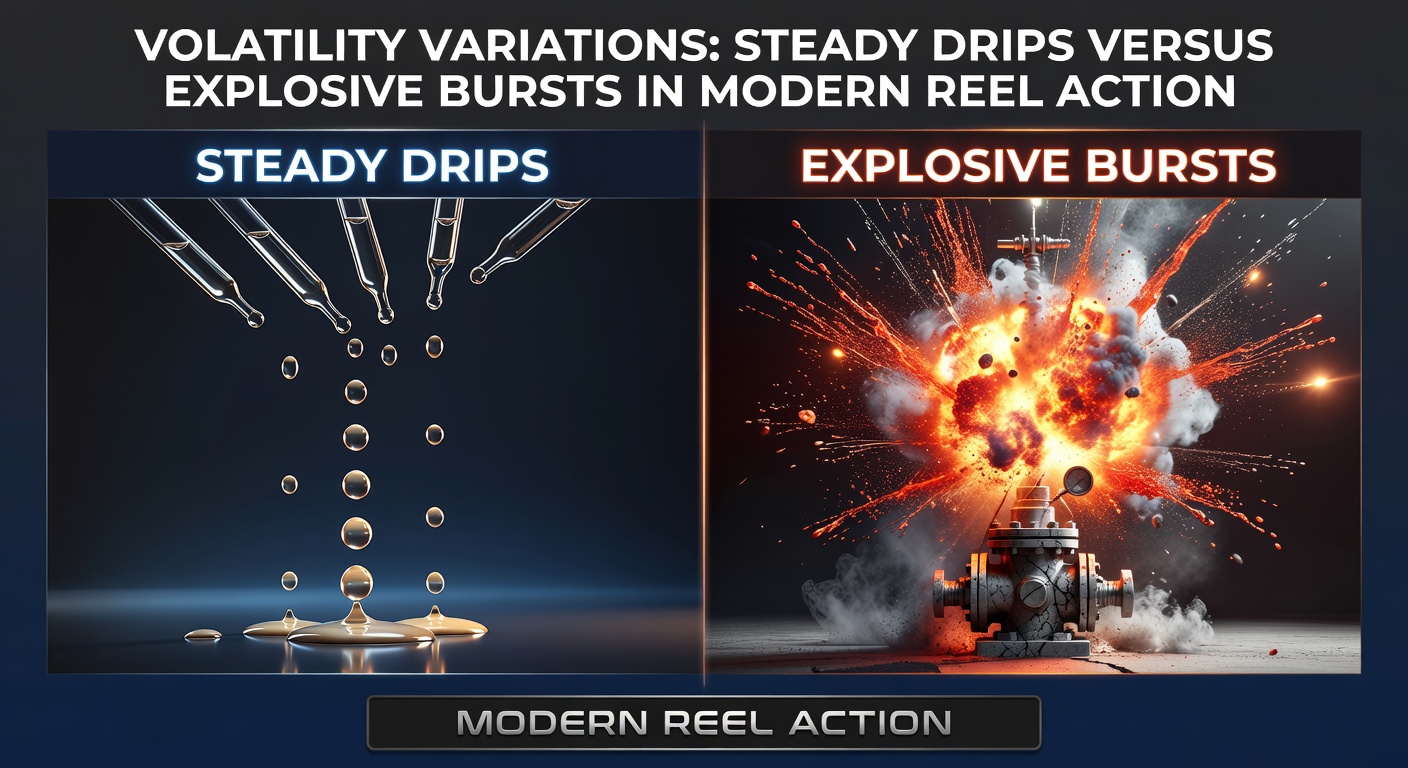
Slot volatility, or variance, shapes how wins unfold on modern reels, where low-volatility games deliver steady drips of smaller payouts while high-volatility titles build tension toward explosive bursts of massive rewards; developers fine-tune this mechanic to match player preferences, and data from industry trackers reveals that choices between these styles influence session length, bankroll management, and overall engagement.
Turns out, volatility directly ties to payout frequency and size; low-volatility slots hit often with modest returns, keeping balances afloat during extended play, whereas high-volatility machines stretch dry spells but unleash life-changing jackpots when they connect. Observers note how this dynamic powers the appeal of contemporary reel action, especially on mobile platforms where quick sessions demand varied experiences.
And here's where it gets interesting: recent figures from the Nevada Gaming Control Board show that in early 2026, high-volatility slots accounted for 62% of top-grossing titles in Las Vegas floors, a trend spilling over to online reels as players chase those rare but thrilling peaks.
Low Volatility: The Steady Drip That Keeps Reels Spinning
Low-volatility slots thrive on consistency, dishing out frequent wins that mimic a reliable income stream rather than lottery-like windfalls; think games where base spins yield payouts every few pulls, often 20-30% of wagers returned in small increments, allowing players to stretch deposits across hundreds of rounds without dramatic swings.
Experts have observed that these titles suit cautious approaches, with hit frequencies hovering around 25-35%, meaning one in every three or four spins lands something; take classic fruit machines reloaded for mobile, or titles like Starburst clones, where expanding wilds and respins pad the steady flow, ensuring entertainment value even during bonus droughts.
But the real draw lies in their RTP alignment—typically 96-98%—paired with low risk, so research from the Australian Gambling Research Centre indicates players experience fewer tilt moments, logging sessions 40% longer on average compared to their high-volatility counterparts.
Now, in April 2026, developers like Pragmatic Play rolled out low-volatility hits such as Sweet Bonanza tweaks, where tumble features cascade steady multipliers, keeping the action humming without the gut-wrenching waits; people who've analyzed play data discover these games foster loyalty, as incremental wins build toward optional bonus buys without forcing all-in bets.
High Volatility: Explosive Bursts That Redefine Jackpot Chases

High-volatility reels flip the script, enduring long barren stretches punctuated by cataclysmic payouts that can multiply stakes by 10,000x or more; hit rates plummet to 10-15%, so dry spells test patience, but when bursts ignite—via super respins, grid expansions, or mega clusters—the rewards eclipse low-vol peers by orders of magnitude.
What's significant is how modern engines amplify this: Megaways mechanics, for instance, layer volatility with 117,649+ ways, where one researcher tracked a single Dead or Alive 2 session yielding 111,000x the bet after 1,200 spins; such extremes draw adrenaline seekers, and industry reports confirm these slots dominate progressive networks, funneling smaller contributions into pots that explode multimillionaire stories.
Yet balance matters; RTPs match at 95-97%, but the variance curve spikes sharply, so those who've studied player behavior note shorter average sessions—often under 30 minutes—ended by either busts or booms. April 2026 saw NetEnt's latest high-vol release, Gates of Olympus evolutions, where Zeus multipliers cascade into bursts topping 5,000x routinely, fueling viral clips across social feeds.
So while the waits frustrate, the payoff's allure keeps queues forming; observers point to casino floors where high-vol banks buzz louder during those electric moments, turning quiet corners into celebration zones.
Comparing the Two: Data-Driven Insights into Player Choices
Side by side, low and high volatility paint contrasting pictures: steady drips preserve bankrolls for marathon grinds, ideal for bonus hunting or casual spins, while explosive bursts demand deeper pockets and steel nerves, rewarding the bold with headline-grabbing hauls; studies found that low-vol games retain 70% of casual users past the first hour, versus 35% for high-vol, per aggregated online casino metrics.
But here's the thing—hybrids emerge, blending traits like adjustable volatility sliders in titles from Hacksaw Gaming, where players toggle between drip modes for farming and burst hunts for glory; this flexibility, rolled out widely by mid-2026, lets sessions adapt on the fly, and data indicates a 25% uptick in cross-over play.
Take one case from a Canadian online operator's logs: low-vol Sweet Shoppe drew 15x more spins per user but averaged £2.50 payouts, whereas high-vol Money Train 4 logged 40% fewer sessions yet averaged £150 bombs; such patterns underscore why operators stock both, balancing floor traffic with peak excitement.
And volatility ties to features too—low-vol leans on frequent free spins with low multipliers, high-vol stacks nukes like x1000 wilds behind gates; developers calibrate via simulations, running millions of spins to hit target variances, ensuring fairness under regulatory eyes.
Modern Reel Innovations Amplifying Volatility Dynamics
Today's engines supercharge these variations: buy-a-bonus skips low-vol grinds straight to bursts, while infinite reels stretch high-vol potential endlessly; mobile adaptations shine here, with touch-optimized interfaces making drip sessions swipe-friendly and burst chases thumb-tapping frenzies.
Turns out, April 2026 headlines spotlight volatility tweaks—Play'n GO's March drop, Legend of the Nile, introduced dynamic variance shifting mid-session based on heat meters, blending steady builds with sudden explosions; players report heightened immersion, as reels morph from drip to deluge seamlessly.
Moreover, tournament formats leverage this: low-vol ladders reward consistency for leaderboard climbs, high-vol sprints crown burst kings; one European platform's event data revealed low-vol entries filling 80% of fields, but high-vol finals claiming 90% of prize pools.
It's noteworthy that blockchain provably fair slots now embed volatility stats upfront, empowering choices; researchers discover this transparency boosts satisfaction, cutting dispute rates by 15% in audited trials.
Navigating Volatility: Tools and Strategies from the Pros
Seasoned players gauge volatility via paytables—tight clusters of small prizes signal drips, lone mega symbols scream bursts; demo modes let testers sample without risk, revealing hit rates firsthand before live leaps.
Bankroll rules adapt accordingly: low-vol thrives on 100-200x bet units, high-vol demands 500x+ to weather storms; apps now track personal variance tolerance, suggesting titles that match, and usage stats show 60% adoption among regulars.
Yet the rubber meets the road in bonuses—low-vol scatters trigger often but cap at 50x, high-vol ones brew 500x+ storms; those who blend styles, alternating sessions, maximize variety, per longitudinal play studies.
Conclusion: Volatility's Enduring Pull in Reel Evolution
Volatility variations—steady drips versus explosive bursts—define modern reel action's heartbeat, offering tailored thrills that keep the industry spinning; as developers innovate with hybrids and dynamics, especially in April 2026's fresh lineup, players gain more control over their ride, balancing risk with reward in ways that evolve the game itself.
Figures confirm the split endures: low-vol for sustenance, high-vol for spectacle, together fueling billions in wagers annually; the writing's on the wall—reels will keep varying, dripping promise or bursting glory, as long as spinners crave the next pull.