Tracing Phone Payment Trails from Free Mobile Spins to Live Dealer Wins in Britain's Licensed Casinos
 Phone billing systems in Britain's regulated casino sector create direct pathways that link free spin trials on mobile slots to verified payouts at live dealer tables, and these connections rely on transaction logs generated through carrier-based charges that operators must record under licensing rules. Data from these trails shows how initial deposits via phone billing often fund accounts that start with free spins before players move into real-money live games, where winnings get settled through the same billing infrastructure. Operators integrate phone billing as a deposit method that bypasses traditional card processors, and this setup allows seamless transitions when free spins convert into credited balances used at live tables. Records indicate that each charge appears on mobile statements with specific identifiers that trace back to game sessions, which helps maintain audit trails across multiple game types. June 2026 brought updates to billing verification protocols that require operators to flag trial-to-live transitions within 24 hours of activity.
Mechanics of Phone Billing Integration
Phone billing operates through premium rate services or direct carrier deductions that appear as line items on user accounts, and these deductions trigger immediate balance updates in casino wallets that support both slot trials and live dealer environments. Systems route these payments through secure APIs that log timestamps, amounts, and session IDs, creating chains that connect free spin activations to subsequent live game entries. Research from the Australian Institute of Criminology highlights similar patterns in mobile gambling payment flows where transaction metadata reveals progression from demo modes to paid sessions.
Players initiate free spins through promotional credits funded indirectly by prior phone charges, and the billing trail captures the original deposit event even when no new funds enter the account. This linkage ensures that any winnings from live dealer tables can reference the originating payment method during payout requests. Licensed platforms must retain these records for at least five years, allowing regulators to reconstruct player journeys from initial mobile deposit through to final settlement.
Transaction Trails Across Licensed Networks
Britain's licensed networks enforce standards that require phone billing providers to share verification data with operators, and this sharing creates unified logs that span slot platforms and live casino sections. When a free spin round ends with a bonus win, the system converts those credits into a real balance traceable to the phone charge, which then funds live dealer bets without requiring additional deposits. Observers note that such trails reduce disputes because every step carries a timestamped entry from the carrier network.
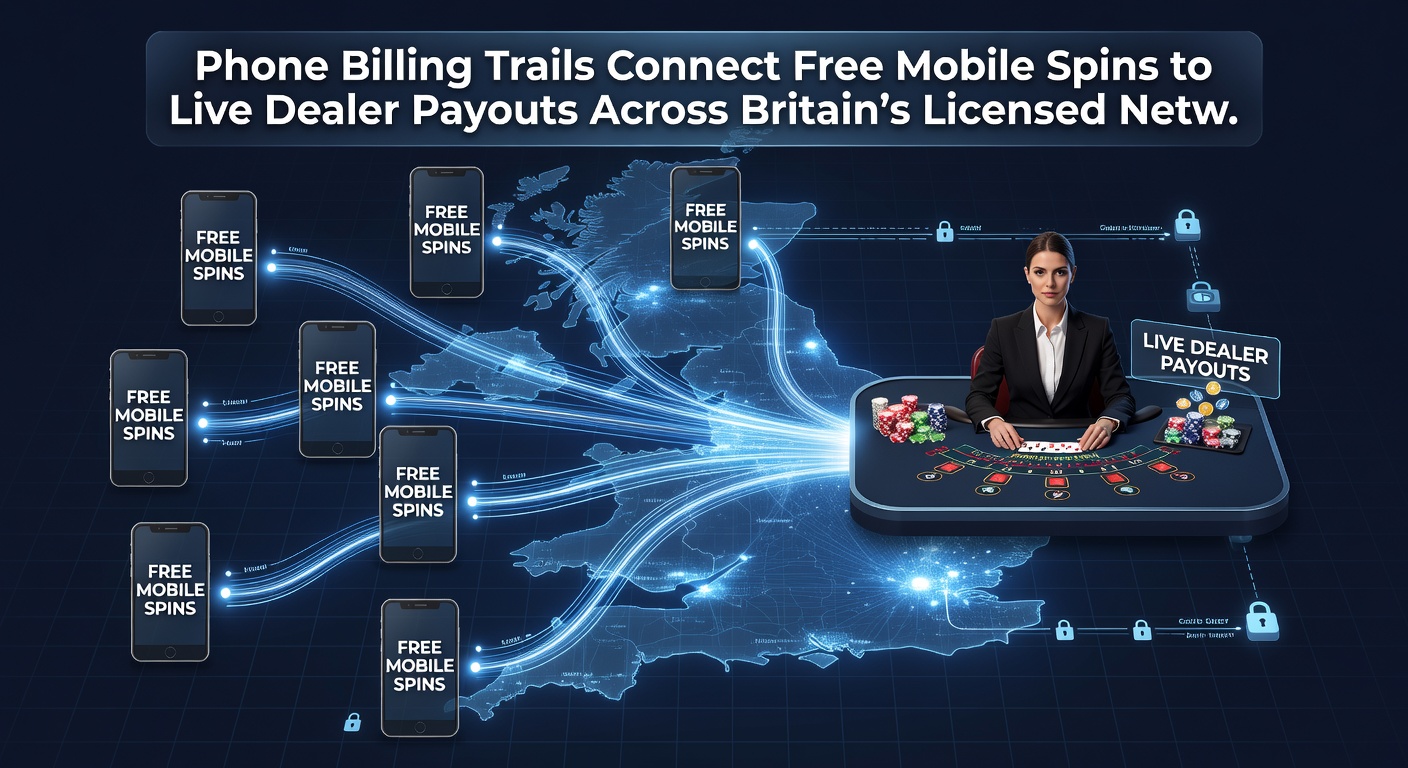
Case examples from operator reports show clusters of activity where phone-billed deposits precede extended sequences of free spin play followed by live table sessions, and the billing identifiers remain consistent throughout. These patterns emerge because the payment gateway treats all game categories under a single account profile. Data compiled by the New York State Gaming Commission on cross-platform payment tracking demonstrates comparable record-keeping practices that link trial features to real-money outcomes in regulated markets.
Compliance and Record-Keeping Requirements
Licensing conditions mandate that operators maintain accessible billing trails capable of showing how free mobile spins connect to live dealer payouts, and audits examine these connections for signs of irregular fund movement. Phone billing adds an extra layer because carrier statements provide an independent source of transaction evidence outside the casino database. June 2026 saw several operators implement enhanced matching algorithms that align phone charge timestamps with in-game events to speed up compliance checks.
Staff training programs emphasize recognition of these trails during customer queries, and automated tools now flag any break in the chain between trial spins and live table activity. Such measures help ensure that payouts at dealer tables can be verified against the original phone billing event without manual reconstruction of multiple logs.
Conclusion
Phone billing trails serve as the connective tissue between free mobile spins and live dealer payouts in Britain's licensed casino environment, and they deliver verifiable records that operators and regulators rely upon for oversight. These systems continue to evolve with new verification tools introduced in mid-2026, maintaining the structured flow of funds and activity data across game types. The resulting transparency supports the operational integrity of mobile casino networks while preserving the audit capabilities required under current licensing frameworks.