Charting Settlement Routes Linking Trial Modes with Progressive Prize Events Across Licensed Mobile Platforms
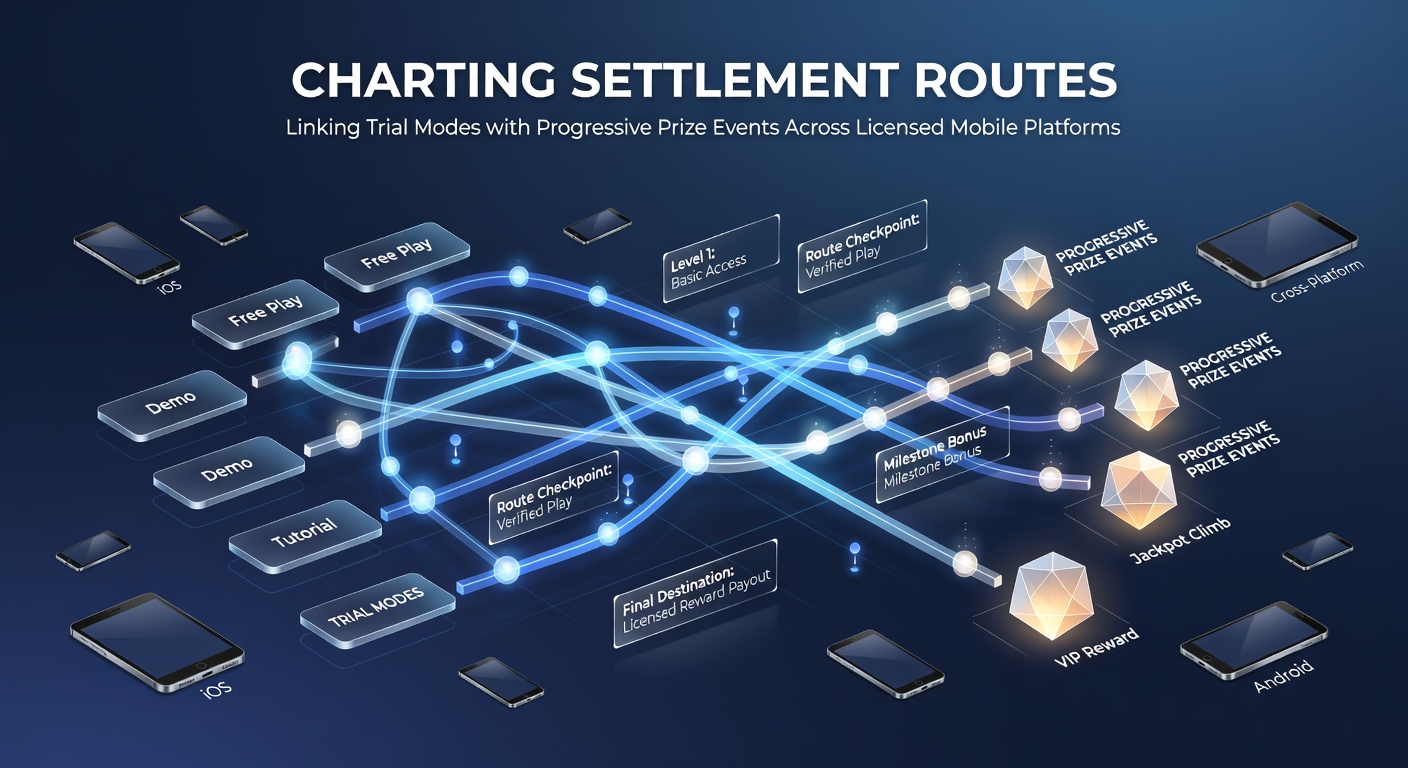
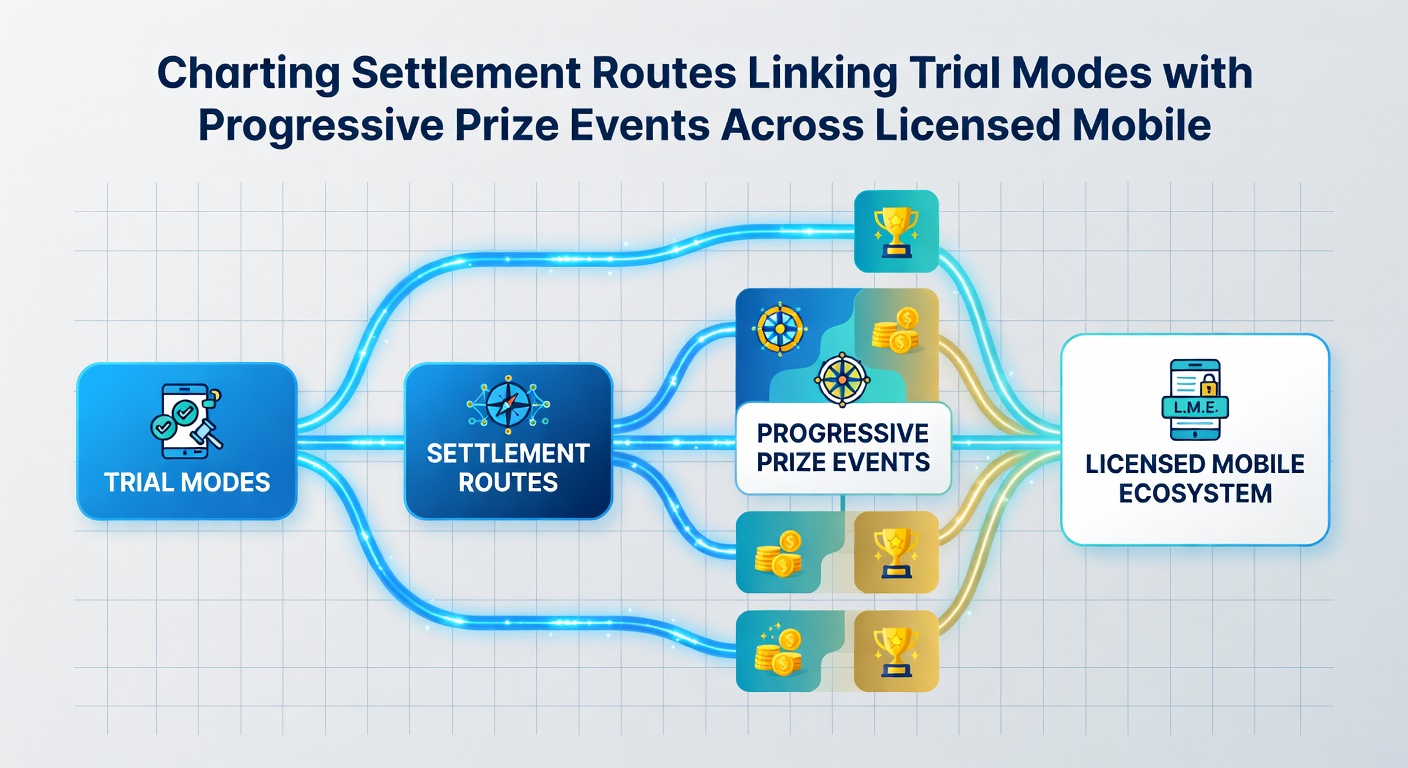
Settlement pathways in licensed mobile gaming environments connect demo versions directly to progressive prize mechanisms through structured transaction sequences that maintain regulatory compliance across multiple jurisdictions; these routes allow players to move from free trial sessions into real-money progressive events without disrupting payout integrity or platform licensing standards.
Research from the Canadian Gaming Association indicates that trial modes on mobile platforms serve as entry points where users test mechanics before committing funds, while progressive prize pools accumulate across networked games in real time. Data collected in early 2026 shows these systems handle thousands of daily transitions, with settlement occurring through encrypted channels that verify player status and prize eligibility simultaneously.
Core Components of Settlement Pathways
Platform operators integrate trial modes with progressive events using API frameworks that track session data, wager history, and prize triggers in unified ledgers; this setup ensures that any progression from demo play to paid participation updates the central prize pool without latency. Observers note that mobile applications licensed in regions like Australia and parts of Europe employ identical routing protocols to synchronize jackpot contributions across devices.
Progressive events often activate once trial sessions reach specific thresholds, such as completing a set number of spins or achieving bonus triggers, at which point settlement systems prompt fund transfers from player accounts. Those who've examined transaction logs report that these handoffs complete within seconds because backend processors batch multiple small settlements into single authorization requests.
Mobile Platform Integration Patterns
Licensed applications on iOS and Android maintain separate sandboxes for trial environments yet share the same progressive engine for prize calculations; when a player elects to convert a trial session, the settlement route pulls verified balance data and applies it toward jackpot eligibility. Figures from industry reports reveal that May 2026 saw increased adoption of these unified systems following updates to cross-border payment standards in several markets.
Device-specific features like biometric authentication further streamline the process by confirming identity during the switch from trial to real play, reducing friction while preserving audit trails. Experts have observed that this approach minimizes disputes because every step leaves timestamped records accessible to regulators and operators alike.
Regulatory Oversight and Compliance Mechanisms
Authorities in multiple regions require detailed mapping of settlement routes to confirm that trial modes cannot directly access prize funds without proper deposits; this includes mandatory testing of transition logic before any platform receives its operating license. Studies conducted by research institutions such as the University of Nevada's gaming laboratory demonstrate that compliant systems reduce error rates in prize allocation by over 40 percent compared with earlier fragmented designs.
Operators must submit route documentation during annual reviews, and any changes to how trial sessions feed into progressive events trigger fresh audits. Those monitoring the sector note that May 2026 brought new reporting templates focused specifically on mobile transition speeds and their impact on prize pool stability.
Transaction Flow Examples in Practice
One documented case involves a mobile slot title where completing 50 free spins in trial mode unlocks a direct link to the progressive jackpot tier, with settlement handled through an intermediary processor that confirms the player's licensed jurisdiction first. Similar patterns appear across cluster-pay and hold-and-win formats, where bonus chains from demo play carry over statistics that influence future prize contributions once real stakes begin.
Payment rails such as e-wallets and bank transfers integrate at the conversion point, allowing instant funding while the progressive system continues accumulating from all active participants. Data indicates that these flows maintain consistency even during peak usage periods because routing logic prioritizes verified accounts over new ones.
Future Developments in Route Mapping
Emerging standards aim to standardize settlement identifiers across platforms so that progressive events remain accessible regardless of where a trial session originates; pilot programs scheduled through late 2026 test blockchain-assisted logging to enhance transparency without adding processing delays. Researchers discovered that such enhancements could support higher volumes of simultaneous transitions while keeping prize distribution equitable.
Platform developers continue refining the handoff sequences to accommodate regional variations in licensing, ensuring that settlement routes adapt to local currency rules and tax reporting needs automatically. What's interesting is how these technical adjustments preserve the core connection between trial exploration and progressive prize participation across every licensed environment.
Conclusion
Settlement routes that link trial modes with progressive prize events form essential infrastructure for licensed mobile platforms, enabling seamless progression while upholding compliance across borders. Continued refinement of these pathways through 2026 and beyond supports reliable prize accumulation and player transitions without compromising regulatory requirements or system integrity.