Adaptive Banking Innovations Facilitate Smooth Shifts from Free Spins to Live Dealer Tables
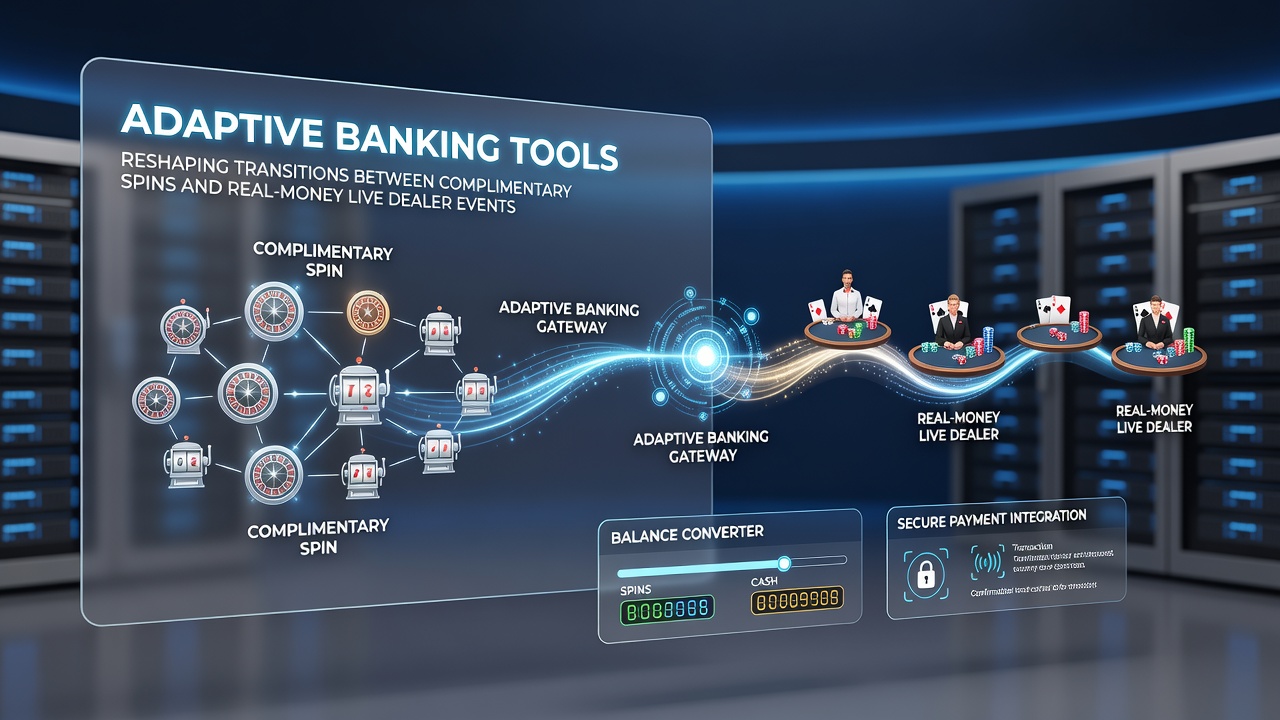
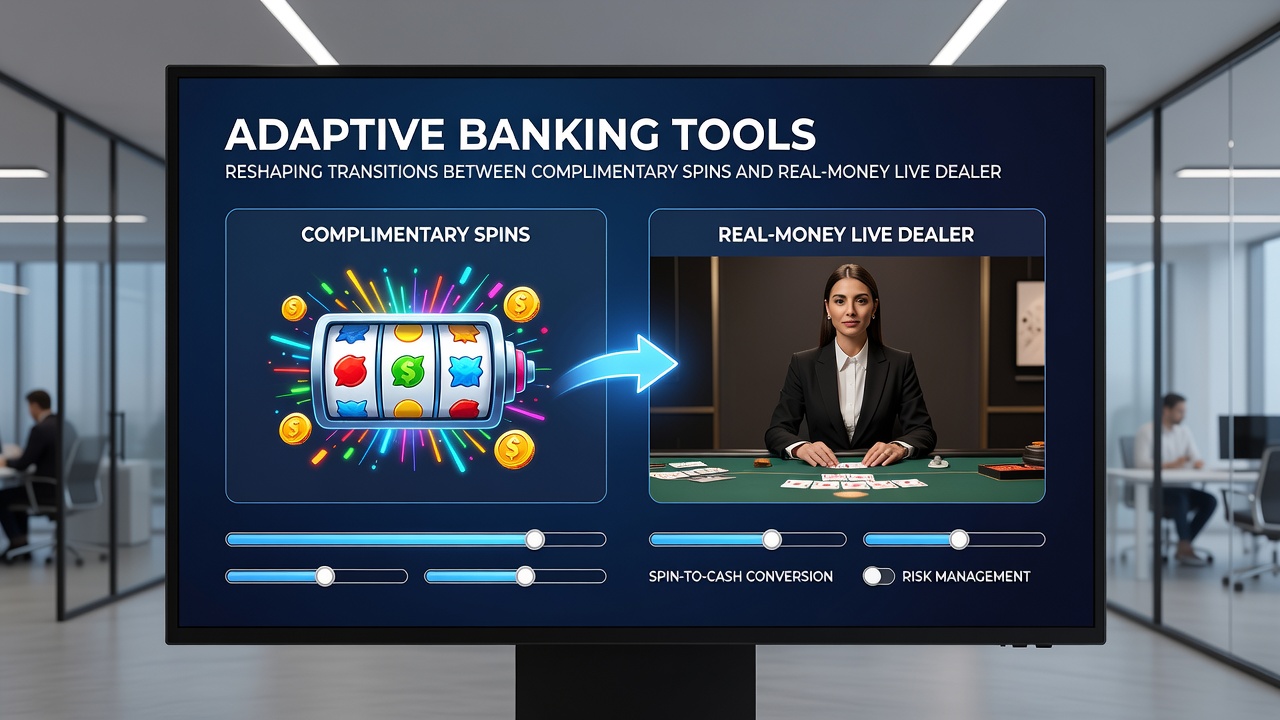
Adaptive banking tools now integrate directly with casino platforms to handle the move from complimentary spins into real-money live dealer events without friction, and operators deploy these systems across mobile and desktop environments to manage deposits, withdrawals, and session transitions in real time.
Core Mechanisms Behind Seamless Transitions
Payment gateways adjust limits dynamically based on user activity patterns, so someone finishing a free spin session can fund a live dealer table with the same interface and verification already in place; this reduces steps while maintaining compliance records that platforms must retain for audits.
Systems from providers like those serving the Ontario market connect e-wallet balances to game lobbies, allowing instant conversion of demo credits into cash stakes when players select live blackjack or roulette tables. Data from iGaming Ontario reports shows transaction volumes rising steadily as these connections mature.
Payment Methods Driving the Shift
Pay-by-phone options and digital wallets support micro-deposits that match the scale of bonus-triggered spins, yet they scale up quickly for live dealer minimums without requiring separate account setups. Operators in multiple jurisdictions report that users complete these moves within seconds rather than minutes, which keeps engagement continuous across game types.
Integration with Live Dealer Platforms
Live dealer studios receive confirmation signals from banking layers the moment a deposit clears, so tables open immediately for players who began in complimentary mode; this linkage appears in software updates rolled out by major suppliers throughout 2025 and into 2026. Platforms scheduled further refinements for July 2026 to handle higher live event traffic while preserving the same banking pathways already used for free play.
One study from the University of Nevada's gaming research center tracked session data across 12 months and found that adaptive tools cut average transition time by more than half compared with earlier static systems. Researchers noted that players who started with free spins reached live tables at higher rates when instant verification stayed active throughout.
Regional Examples of Tool Deployment
European operators under the European Gaming and Betting Association guidelines adopted unified banking APIs that let users carry verification status from slot demos into live streams without re-entering details; similar patterns appear in Australian state-regulated sites where pay-by-phone services dominate mobile traffic. These implementations track spend thresholds automatically and apply responsible gambling flags across both free and paid modes.
Canadian provinces outside Ontario have begun testing comparable frameworks, and early figures reveal increased live dealer participation among users who first engaged through complimentary spin promotions. The tools also log time stamps for each transition, which helps regulators review activity without separate data pulls from game providers and payment processors.
Security and Compliance Layers
Encryption protocols wrap each banking action, while machine learning models flag unusual patterns during the shift from free to paid play; this dual approach satisfies requirements from bodies such as state gaming control boards in the United States and equivalent agencies elsewhere. Platforms must store these logs for set periods, yet the adaptive systems compress the data so retrieval stays efficient during compliance checks.
Observers note that July 2026 updates will likely standardize reporting formats across more jurisdictions, allowing banking tools to feed directly into oversight dashboards without manual formatting. Such changes build on existing connections already handling millions of daily micro-transactions between spin types and live events.
Future Adjustments in Banking Infrastructure
Developers continue refining APIs so that progress bars from free spin bonuses can convert remaining value into live dealer buy-ins with a single confirmation tap. Industry reports from trade groups indicate testing phases will expand through the first half of 2026, focusing on reduced latency and broader currency support for international players moving between regions.
Academic papers published by European research consortia highlight how these banking adaptations correlate with longer overall platform retention, though exact causation requires further longitudinal data. The same papers document that live dealer events benefit when deposit pathways mirror those used in complimentary sections, creating consistent user expectations.
Conclusion
Adaptive banking tools continue to link complimentary spin environments with real-money live dealer sessions through unified payment rails, instant verification, and dynamic limit adjustments. Jurisdictions worldwide schedule infrastructure updates through 2026 that will extend these connections further while maintaining audit trails required by oversight agencies. The result is a measurable tightening of the gap between free play and funded live events across mobile and desktop platforms.